Future of 4K Television Technology
Key Takeaways
- 4K resolution is steadily becoming the standard for televisions.
- Enhanced features, such as HDR and wider color gamuts, are transforming viewer experience.
- Integration with smart home technology is paving the way for user-friendly controls.
- Future advancements will include AI-driven picture enhancement and more immersive viewing technologies.
- The market is expanding with potential new formats and increasing accessibility for consumers.
The world of television technology is rapidly evolving, with 4K televisions leading the charge toward a more immersive viewing experience. This article will delve into the advancements in 4K technology, the upcoming trends that are set to revolutionize how we watch TV, and what consumers can expect in the near future.
Understanding 4K Resolution
The term "4K" references the horizontal resolution of approximately 4,000 pixels. This high resolution offers four times the pixel count of traditional 1080p HD. As a result, viewers experience incredibly crisp images and intricate details that enhance their viewing enjoyment.
Advancements driving 4K Technology
High Dynamic Range (HDR)
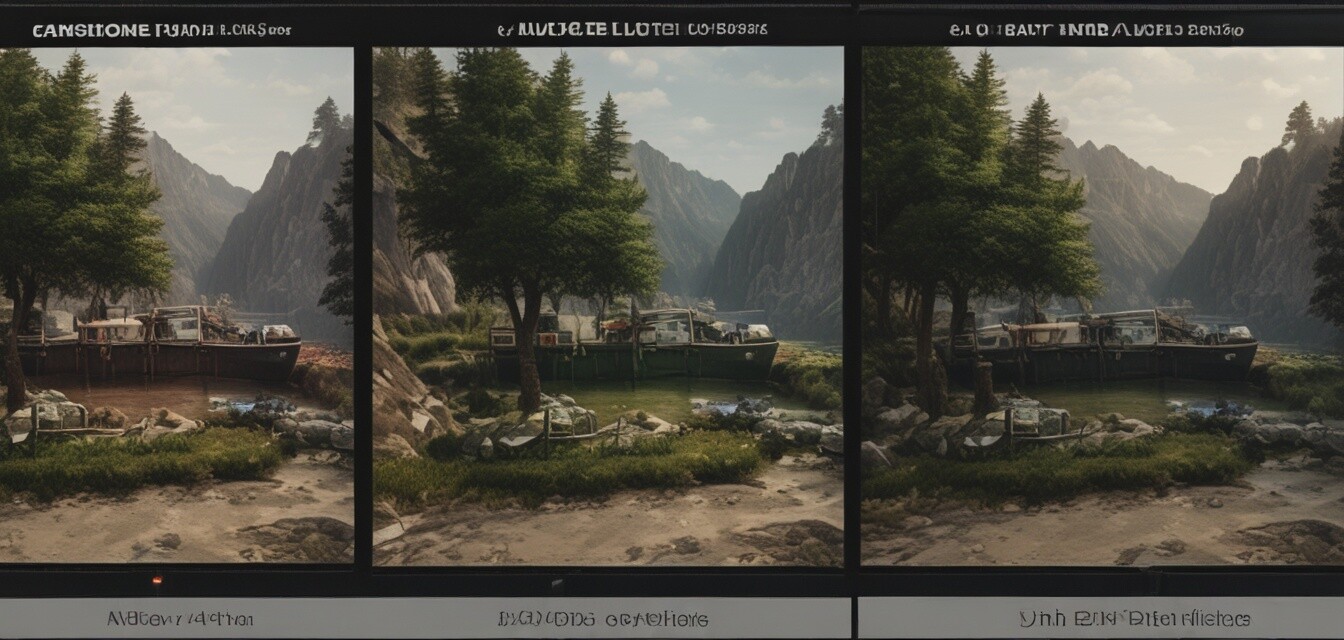
One of the most significant advancements accompanying 4K technology is High Dynamic Range (HDR). This feature enhances the contrast between the darkest and brightest parts of an image, providing a more lifelike viewing experience.
Wider Color Gamuts
In addition to HDR, many 4K models are beginning to support wider color gamuts, allowing for a more expansive range of colors that can be displayed. This means that viewers can experience richer, more vibrant colors in their content.
Emerging Trends in 4K Technology
Integration with Smart Home Technology
As smart home technology continues to grow, 4K televisions are finding new ways to integrate with these systems. A smart 4K TV can interact with voice assistants and other smart home devices, streamlining control and enhancing user experience.
AI-Powered Enhancements
Artificial Intelligence is poised to transform how content is displayed on 4K TVs. Future models may leverage AI technologies to analyze content in real-time, enhancing picture quality or adjusting settings based on viewer preferences.
Future of Content Delivery
As 4K televisions become more widespread, content delivery will also evolve. Streaming services are expanding their libraries to include more 4K programming. This shift indicates a transition away from traditional broadcast models toward online streaming platforms.
| Content Delivery Method | 4K Capability | Examples |
|---|---|---|
| Cable/Satellite | Limited | Some premium channels |
| Streaming Services | Widely Available | Netflix, Amazon Prime, Disney+ |
Consumer Accessibility
As production costs for 4K TV technology decrease, consumers will find more options within various price ranges. This increased accessibility will enable a broader audience to enjoy the enhanced features that come with 4K technology.
Tips for Choosing Your 4K Television
- Consider the room size and viewing distance; the larger the screen, the closer you'll want to sit.
- Look for HDR capability if you want the best possible picture quality.
- Check for smart features, ensuring compatibility with your existing smart home devices.
- Research brand reputation and warranty options before making a purchase.
Conclusion
The future of 4K television technology is promising, with continuous advancements influencing every aspect of the viewer experience. Improved resolutions, enhanced picture technologies, and smarter integrations with home systems ensure that audiences will have access to a more immersive and enjoyable entertainment experience.
Pros
- Crisp and engaging visuals with four times the resolution of HD.
- Enhanced contrast and colors with HDR and wider color gamuts.
- Integration with smart technology simplifies usage.
- Expanding content options make 4K accessible.
Cons
- Limited content available for certain cable and satellite services.
- Higher initial investment compared to lower resolution options.
- Potential need for upgraded streaming bandwidth for optimal viewing.