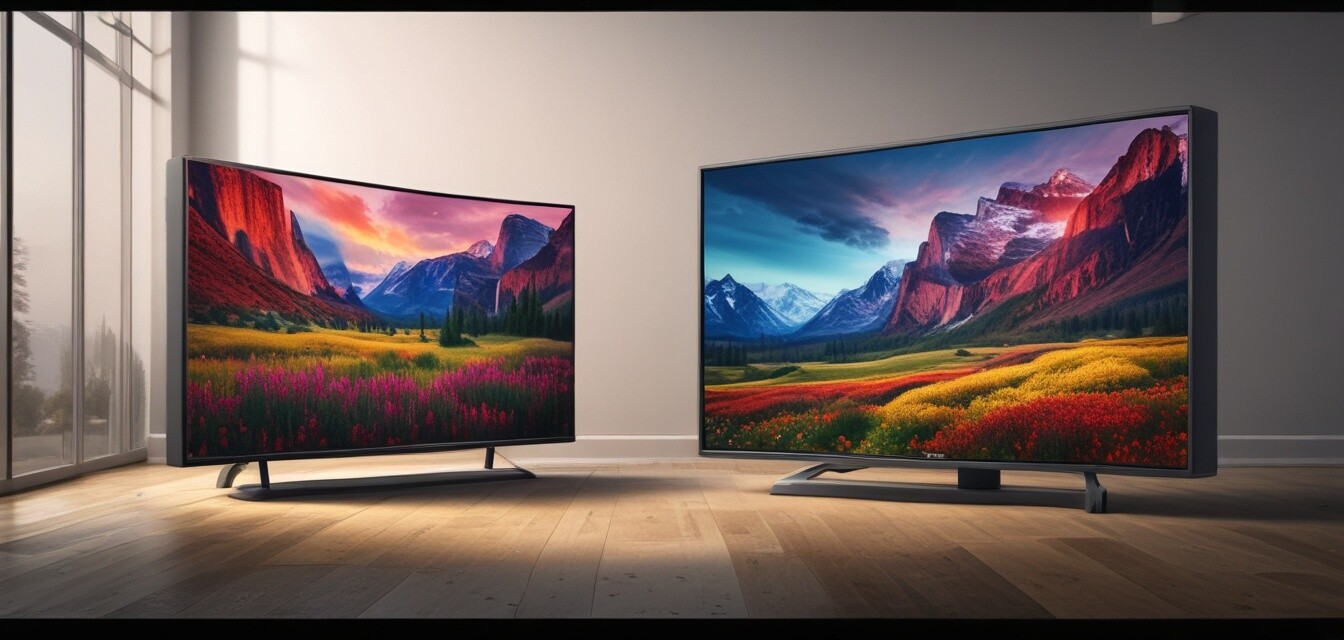
Comparing 4K vs 8K Televisions
Key Takeaways
- 4K televisions provide excellent picture quality and are widely available.
- 8K TVs offer even higher resolution, but content availability is limited.
- Pricing can vary significantly between 4K and 8K models.
- 4K TVs still remain the better choice for most consumers due to content and affordability.
- Consider future-proofing your setup by choosing the right resolution that fits your needs.
Are you contemplating between a 4K and an 8K television? With rapid advancements in technology, understanding the differences between these two types is essential to making an informed decision. This comparative guide will dive deep into the key attributes of each resolution and will assist you in choosing based on your viewing habits and budget.
Understanding 4K and 8K Resolutions
Before we compare various aspects, let's clarify what 4K and 8K actually mean:
- 4K Resolution: Refers to a resolution of 3840 x 2160 pixels, boasting a total of 8.3 million pixels.
- 8K Resolution: Comes with a resolution of 7680 x 4320 pixels, summing up to approximately 33 million pixels.
Picture Quality
The number of pixels has a significant impact on picture quality. Let's break down how they compare:
| Aspect | 4K Television | 8K Television |
|---|---|---|
| Pixel Count | 8.3 Million | 33 Million |
| Detail Clarity | Excellent for most viewing distances | Superior, but benefits are less noticeable on smaller screens |
| Content Availability | Abundant | Scarce |
Content Availability
Understanding how much content exists for each resolution is critical. Here’s a comparative breakdown:
| Type of Content | 4K | 8K |
|---|---|---|
| Streaming Services | Netflix, Amazon Prime, Disney+ | Limited offerings |
| Physical Media (Blu-ray) | Standard | Limited (only some titles) |
| Gaming | Available on several platforms | In development for future consoles |
Price Considerations
When it comes to televisions, price is often a major deciding factor. Below is a comparison of price points you can typically expect:
| Television Type | Average Price |
|---|---|
| 4K TVs | $500 - $3000 |
| 8K TVs | $2000 - $8000+ |
Future-Proofing Your Investment
Buying a television is an investment that should last several years. Here’s how to ensure you’re getting a future-proof model:
- Consider your viewing habits - How often will you watch sports, movies, or gaming?
- Look for models that support latest technologies (HDR, Dolby Vision).
- Think about whether you want to upgrade in the next few years - Will 8K content be available then?
Pros and Cons
Pros of 4K TVs
- Widespread availability of content
- Affordable price points compared to 8K models
- Excellent picture quality for a variety of content
Cons of 4K TVs
- Screen size limitations for larger rooms
- May become less relevant as 8K content grows
Pros of 8K TVs
- Incredible detail for larger screen sizes
- Future-proof for the next generation of content
Cons of 8K TVs
- Higher price point
- Lack of available content
Conclusion
In conclusion, while 8K televisions are impressive and present a picture quality like no other, the current landscape of available content and affordability makes 4K televisions a more practical choice for most consumers. It is essential to consider your own viewing habits, budget, and future-proofing desires before making a decision.
Tips for Choosing the Right TV
- Evaluate your room size and viewing distance.
- Check for the latest TV technologies.
- Consider your average screen time and types of media consumed.
For further information and options, explore our categories on 4K television models, streaming devices, and audio accessories to enhance your viewing experience.